

Fiber Backbone and Building-to-Building Fiber
Fiber between closets, floors, and buildings — planned, spliced, tested, and documented.
- 2014In business since
- 30 yrsIndustry experience through our sister companies
- 24/7Emergency service
- 8–5Office hours, with 24/7 emergency service
Image: AI-generated illustration.
A fiber backbone is the plant between closets, floors, and buildings. When it is designed and documented well, adding a floor, a camera network, or a second building is a planned job instead of a mystery. JPEG Design builds MDF/IDF backbones and building-to-building runs as part of the same documentation we use on the rest of the job.
We have been in business since 2014, backed by 30 years of industry experience through our sister companies. Based in Dundee, Michigan. Local and nationwide coverage.
The details that matter on a backbone are usually pathway, distance, and strand count — plus how the cable enters the building and where it lands in the rack. Existing conduit is a different job from a new path. A four-strand link that only has to light two switches today is a different conversation from a run that should have spare capacity for cameras, access control, or a second tenant later. We would rather design that once, document it, and leave the records in your closeout than pull a short-term cable that nobody can extend.
Typical work includes closet-to-closet risers, floor-to-floor links, and campus or property runs that connect a second building to the first. These jobs combine installation, splicing and termination, and testing. They often sit next to Networking and rack elevations in the same bid package.
Multi-site retail, industrial campuses, and school or corporate properties are the kinds of sites this page is written for. If you already have a pathway and need a specialist crew only to splice and test, start with the splicing page or the contractor page.
Where we work: service areas — Dundee, Monroe, Toledo, Ohio, Ann Arbor, and metro Detroit. Based in Dundee, Michigan. Local and nationwide coverage.
Hours: 8 a.m. to 5 p.m., with 24/7 emergency service. Call (844) 573-4337 or (734) 597-8242.
Return to all fiber optic services.


Four steps. One accountable team.
- 1Survey the pathwayWalk the route and write the scope.
- 2Pull and installCable placed, dressed, and labeled.
- 3Splice and terminateFusion splices and clean terminations.
- 4Test and documentResults and records at closeout.
Photo: Omar Ashraf via Pexels.
Every part of the fiber job
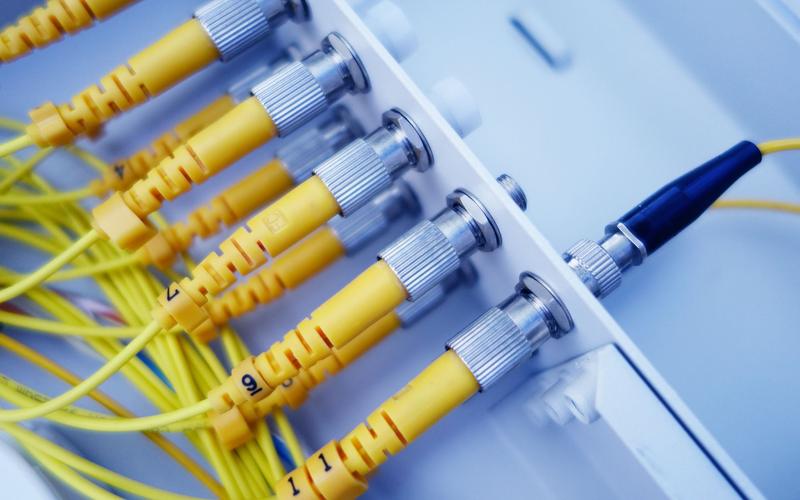
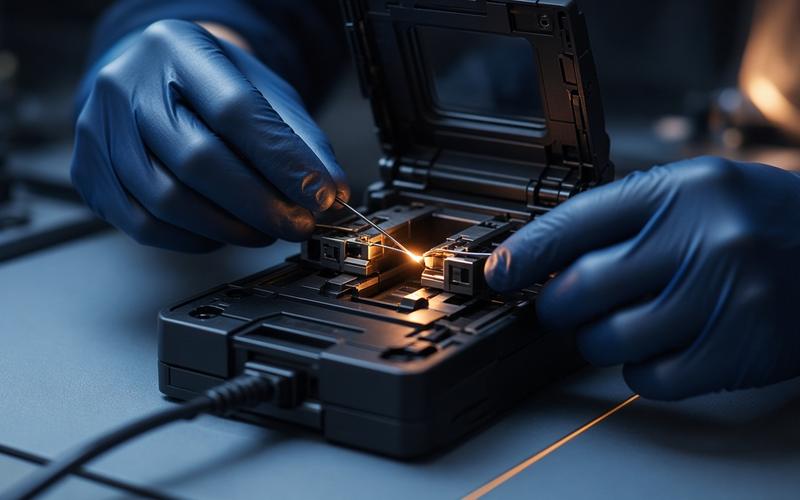
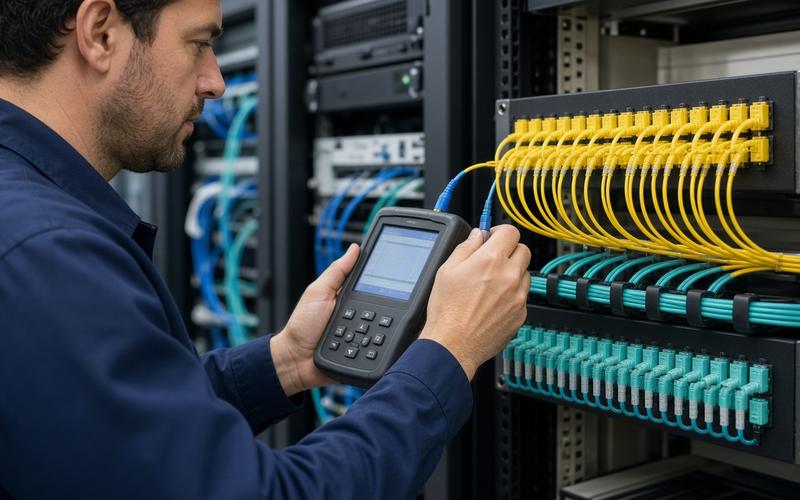
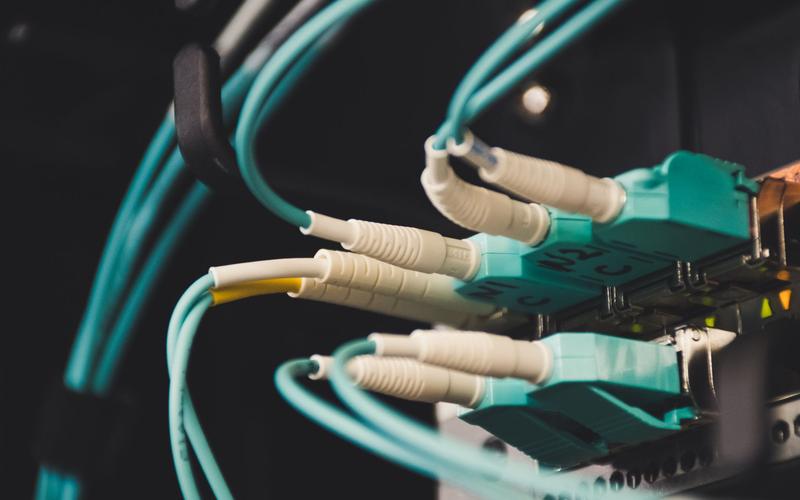
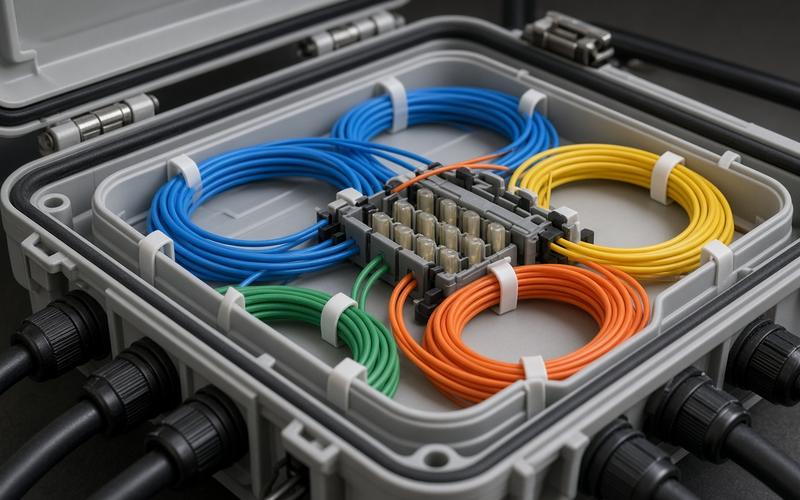


Photos: panumas nikhomkhai via Pexels; Image: AI-generated illustration; Brett Sayles via Pexels.
Beyond fiber

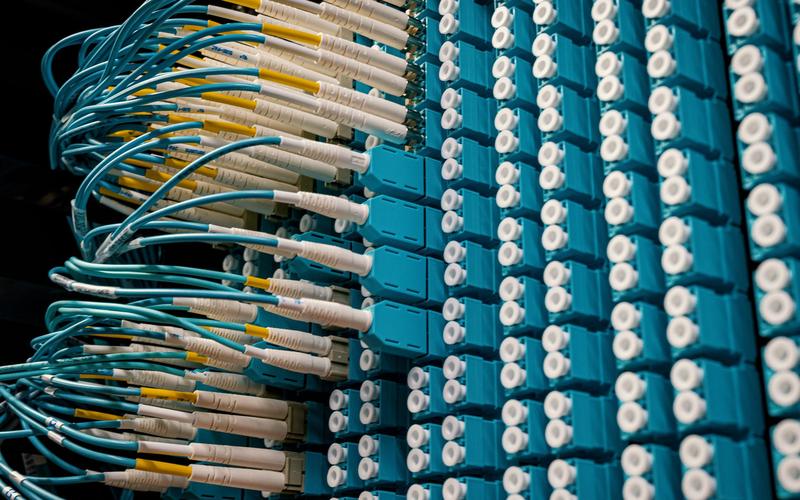


Photos: Giant Asparagus via Pexels; Image: AI-generated illustration; Brett Sayles via Pexels.
Questions, answered
What is a fiber backbone?
The fiber that carries traffic between closets, floors, or buildings — MDF to IDF, or one building to another — rather than a single workstation drop. It is the plant everything else rides on.
What drives the cost of running fiber between buildings?
Pathway (existing conduit vs new path), distance, strand count, how the buildings are entered, splicing and termination, and testing. We quote those factors in a bid package and do not publish a unit price here.
What are your hours?
Hours are 8 a.m. to 5 p.m., with 24/7 emergency service. Call (844) 573-4337 or (734) 597-8242.

Have a site in mind?
Tell us about the location and the timeline. We will come back with a JPEG bid package. Based in Dundee, Michigan. Local and nationwide coverage.
Photo: Atlantic Ambience via Pexels.