

OTDR Testing and Fiber Certification
OTDR testing and certification for new links and existing plant, with results in your closeout package.
- 2014In business since
- 30 yrsIndustry experience through our sister companies
- 24/7Emergency service
- 8–5Office hours, with 24/7 emergency service
Image: AI-generated illustration.
OTDR testing and fiber certification are how you know a link is actually finished. JPEG Design tests new installs and troubleshoots existing plant so you have more than a visual “it looks landed.” You get results that go in the closeout with the as-builts.
We have been in business since 2014, backed by 30 years of industry experience through our sister companies. Based in Dundee, Michigan. Local and nationwide coverage.
On a new run, testing follows splicing and termination. On a repair, OTDR work often comes first so we can locate the fault, then we splice or replace and test again. See fiber optic cable repair.
OTDR traces show where loss happens — a splice, a connector, a bend, a break — so the conversation is about the plant, not a guess. Light-loss certification, when it is part of the job, is the pass/fail measurement against the loss budget for that link.
Certification, as we use the word here, means the link was tested and the results are in your closeout — not a claim about a technician credential. Traces and loss readings belong with the as-builts so the next expansion or repair starts from a known plant, not from memory. If a strand fails, we stay on the job to locate the event, correct it, and test again. That closeout is what lets a facilities lead, a GC, or a trade partner hand the records to the next person on the account.
We do not publish a price list for testing, and we do not list fiber certifications on this site. Scope, access, and the number of strands drive the estimate.
Where we work: service areas — Dundee, Monroe, Toledo, Ohio, Ann Arbor, and metro Detroit. Based in Dundee, Michigan. Local and nationwide coverage.
Hours: 8 a.m. to 5 p.m., with 24/7 emergency service. Call (844) 573-4337 or (734) 597-8242.
Return to all fiber optic services.

Insertion loss vs. OTDR: two different questions
A loss test tells you whether the whole link is within budget. An OTDR tells you where along the link the loss happens.

Four steps. One accountable team.
- 1Survey the pathwayWalk the route and write the scope.
- 2Pull and installCable placed, dressed, and labeled.
- 3Splice and terminateFusion splices and clean terminations.
- 4Test and documentResults and records at closeout.
Photo: Omar Ashraf via Pexels.
Every part of the fiber job
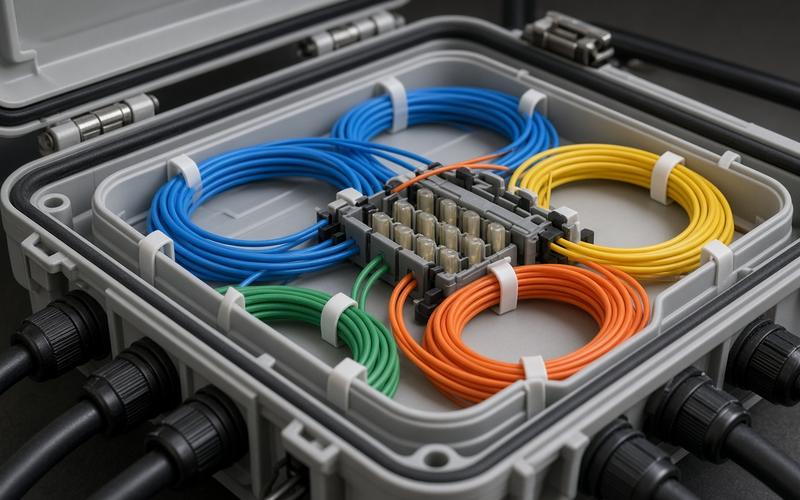


Photos: panumas nikhomkhai via Pexels; Image: AI-generated illustration; Brett Sayles via Pexels.
Beyond fiber
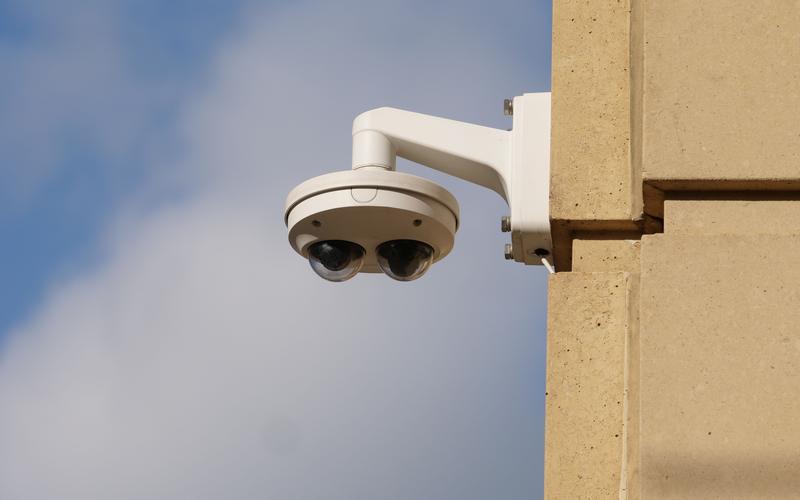
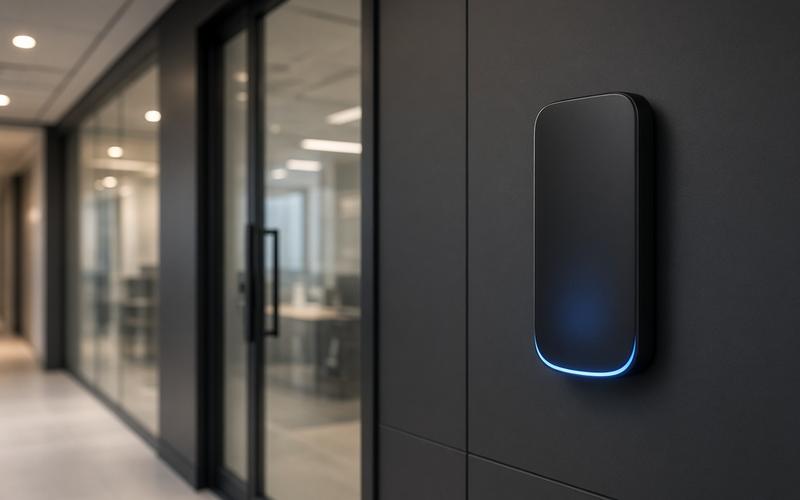
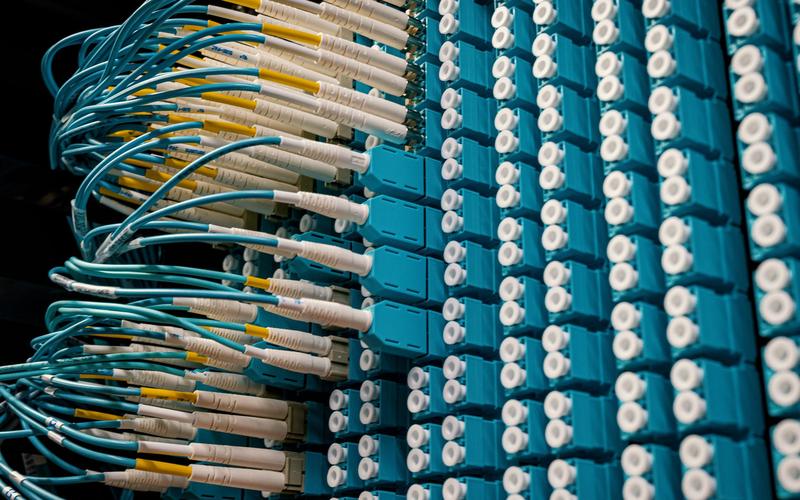


Photos: Giant Asparagus via Pexels; Image: AI-generated illustration; Brett Sayles via Pexels.
Questions, answered
What does OTDR testing show?
An OTDR trace shows events along the fiber: splices, connectors, and breaks, and the loss at those events. It is how we locate a fault and how we prove a new link before we leave.
What do we get at closeout?
Test results with the as-builts in your closeout package. The exact file formats and whether light-loss measurements and OTDR traces are both included are confirmed per job.
What are your hours?
Hours are 8 a.m. to 5 p.m., with 24/7 emergency service. Call (844) 573-4337 or (734) 597-8242.

Have a site in mind?
Tell us about the location and the timeline. We will come back with a JPEG bid package. Based in Dundee, Michigan. Local and nationwide coverage.
Photo: Atlantic Ambience via Pexels.