

Fusion Splicing and Fiber Termination
Fusion splicing in trays and enclosures, termination at the panel, and labels you can follow later.
- 2014In business since
- 30 yrsIndustry experience through our sister companies
- 24/7Emergency service
- 8–5Office hours, with 24/7 emergency service
Image: AI-generated illustration.
Fusion splicing and fiber termination are the specialty steps that turn a pulled cable into a usable circuit. JPEG Design fusion-splices in trays and enclosures, terminates to patch panels, and labels the work so the next technician can find the right strand without guessing.
We have been in business since 2014, backed by 30 years of industry experience through our sister companies. Based in Dundee, Michigan. Local and nationwide coverage.
We splice pigtails, close trays, dress enclosures, and land fiber in the rack. That work sits naturally next to our rack builds and the testing page that follows it. A building-to-building or backbone job is not complete until the splices are made and the link is tested.
A finished splice is more than a good weld. The tray has to be dressed so a later tech can add a strand or remake a fiber without cutting through a rat’s nest. Panels get labeled to match the as-built, and leftover slack is stored where it will still be usable. Whether a job uses pigtails or field-terminated connectors is a scope decision we will walk through with you rather than a slogan on this page. That is the same documentation habit we use on copper closets and rack elevations.
If you are a contractor or integrator who does not keep this work in house, use Fiber Splicing for Contractors. The line is simple: we splice, you keep the client. We do not quote or solicit your end customer.
Next step on most jobs is OTDR testing and fiber certification. For a cut or a failing link, see fiber optic cable repair.
Where we work: service areas — Dundee, Monroe, Toledo, Ohio, Ann Arbor, and metro Detroit. Based in Dundee, Michigan. Local and nationwide coverage.
Hours: 8 a.m. to 5 p.m., with 24/7 emergency service. Call (844) 573-4337 or (734) 597-8242.
Return to all fiber optic services.


Four steps. One accountable team.
- 1Survey the pathwayWalk the route and write the scope.
- 2Pull and installCable placed, dressed, and labeled.
- 3Splice and terminateFusion splices and clean terminations.
- 4Test and documentResults and records at closeout.
Photo: Omar Ashraf via Pexels.
Every part of the fiber job
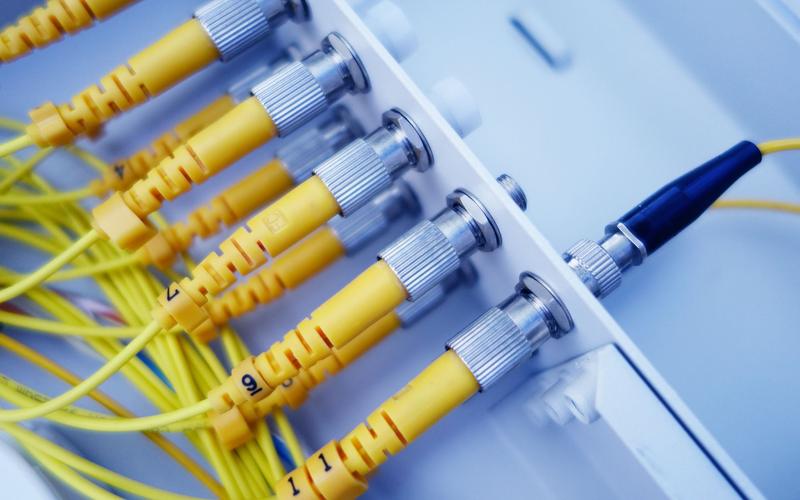
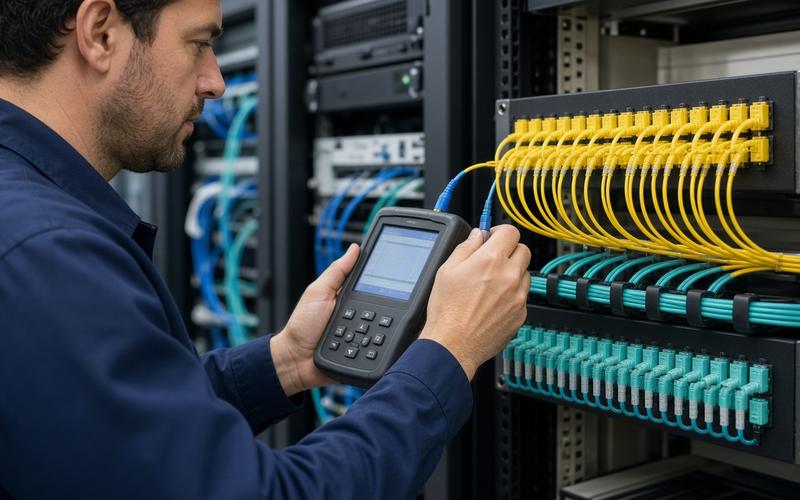
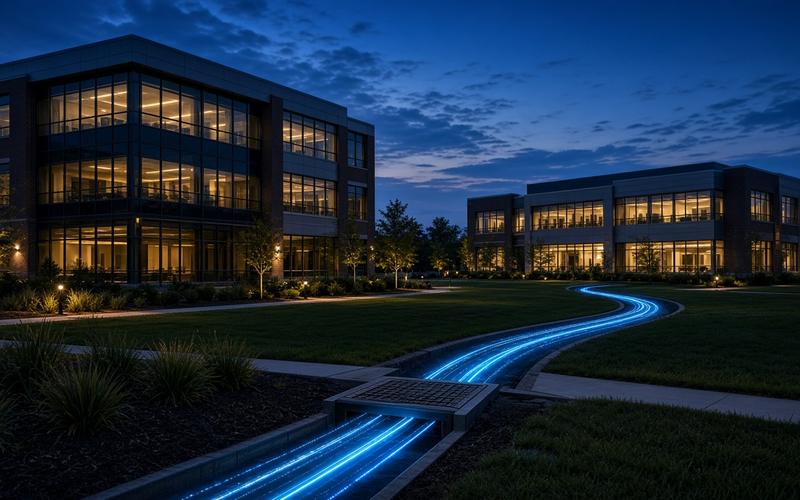
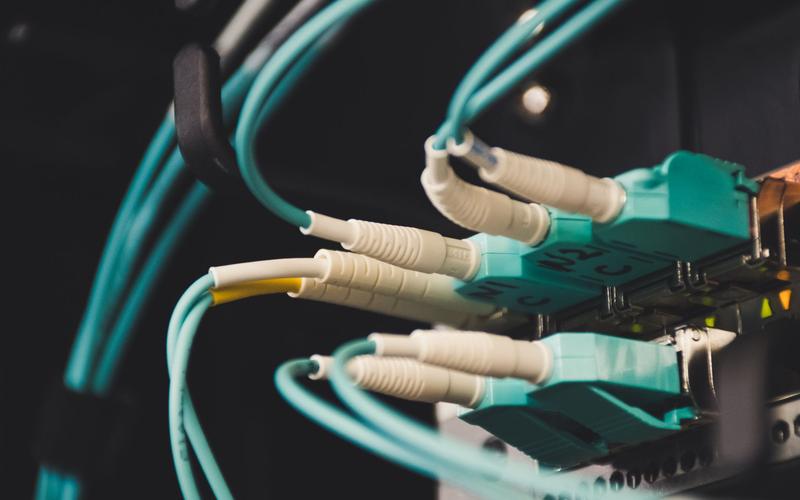
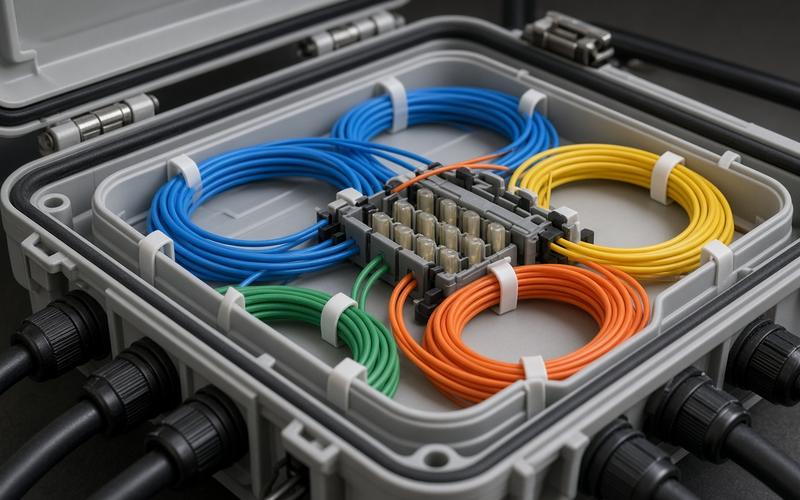


Photos: panumas nikhomkhai via Pexels; Image: AI-generated illustration; Brett Sayles via Pexels.
Beyond fiber

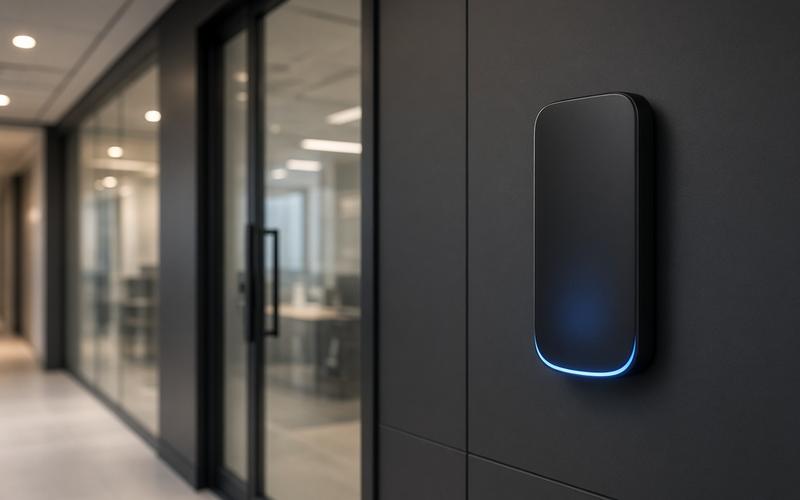
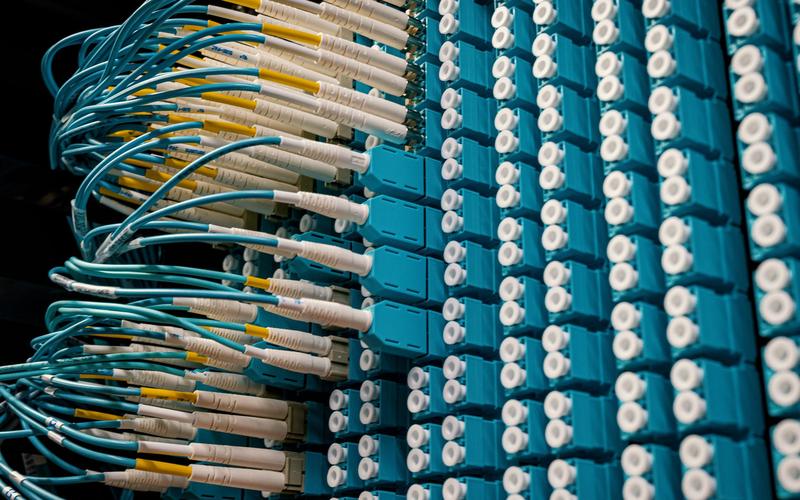


Photos: Giant Asparagus via Pexels; Image: AI-generated illustration; Brett Sayles via Pexels.
Questions, answered
What is the difference between fusion splicing and mechanical splicing?
Fusion splicing welds the fibers together with an electric arc so the joint is permanent and typically lower loss. Mechanical splicing aligns the fibers in a fixture. We use fusion splicing for permanent plant and will explain the choice on a given job rather than treat it as a slogan.
Will you work under our company’s instructions?
Yes, especially on subcontract work. You keep the client. We work to your scope and hand the records to you. See Fiber Splicing for Contractors.
What are your hours?
Hours are 8 a.m. to 5 p.m., with 24/7 emergency service. Call (844) 573-4337 or (734) 597-8242.

Have a site in mind?
Tell us about the location and the timeline. We will come back with a JPEG bid package. Based in Dundee, Michigan. Local and nationwide coverage.
Photo: Atlantic Ambience via Pexels.